
 Sakina Kwa iddi, Arusha – Tanzania

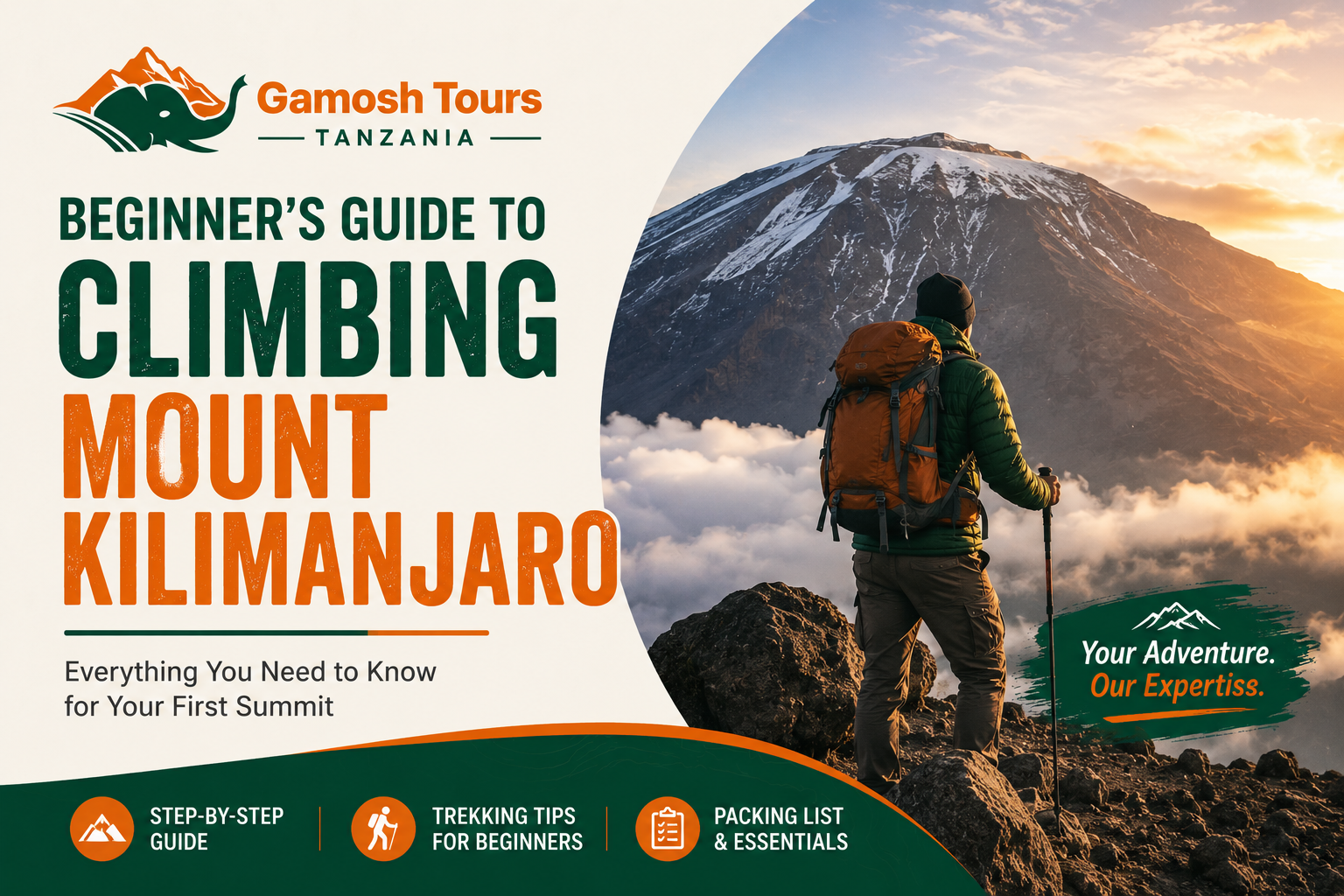
Beginner’s Guide to Climbing Mount Kilimanjaro
Overview
Climbing Mount Kilimanjaro is one of Africa’s greatest adventures. Standing at 5,895 meters (19,341 ft), it is the tallest mountain in Africa and the world’s highest free-standing mountain.
The good news? No technical climbing skills are required.
How Difficult Is Kilimanjaro?
Kilimanjaro is physically demanding mainly because of altitude, not technical climbing.
Most climbers can reach the summit with:
- Proper preparation
- Good pacing
- Adequate acclimatization
Best Routes for Beginners
Recommended Routes:
Lemosho Route (7–8 Days)
- Excellent acclimatization
- Beautiful scenery
- High success rates
Machame Route (7 Days)
- Scenic and popular
- Good acclimatization profile
Rongai Route (7 Days)
- Gradual ascent
- Less crowded
Best Time to Climb
Ideal climbing seasons:
- January to March
- June to October
These months offer the best weather conditions.
How to Prepare
Physical Preparation:
- Hiking practice
- Cardio training
- Leg strength exercises
- Endurance walks
Mental Preparation:
- Be patient
- Walk slowly (“Pole Pole”)
- Stay hydrated
Altitude Sickness
Common symptoms include:
- Headache
- Fatigue
- Nausea
Longer routes reduce altitude-related risks significantly.
What Is Included in a Kilimanjaro Climb?
Most professional climbs include:
- Guides and porters
- Camping or hut accommodation
- Meals
- Park fees
- Rescue fees
- Transfers
Essential Packing List
- Warm clothing
- Waterproof jacket
- Hiking boots
- Gloves and hat
- Sleeping bag
- Trekking poles
- Headlamp
Final Advice
Choose a longer route, prepare properly, and climb slowly. Reaching Uhuru Peak is a life-changing achievement and one of the most rewarding adventures in the world.

